The communications landscape is changing faster than it has for a long time. AI is affecting how messages are produced and distributed, audiences are demanding greater transparency and credibility, and the line between internal and external communication is blurring.
Here are the trends shaping communications in 2026.
AI is now a natural part of content production. As more and more people can create good-enough material, the value of what feels genuine increases.
When the tools are available to everyone, the fundamentals become decisive: a clear sender, a consistent voice and communication that is aligned with the organisation's values. Companies that show the people behind the brand and share real experiences build trust. In an age of automated content, trust is the real competitive advantage.
How to start: Start internally. Articulate the story that carries the organisation before you communicate externally. Put into words what you stand for and the choices you have made, and anchor it with management. When the core is clear, communication becomes more consistent and credible.

Creativity and data are not opposites. This is about moving from campaign logic to learning logic. From gut feeling to hypotheses. From reach for its own sake to business relevance.
How to start: Set a hypothesis before you publish. Decide what you want the content to achieve and follow up on exactly that. Data then becomes decision support rather than a report after the fact. Organisations that succeed work iteratively. They test, follow up and adjust their advertising to understand which stories actually make a difference to perceptions and decisions.
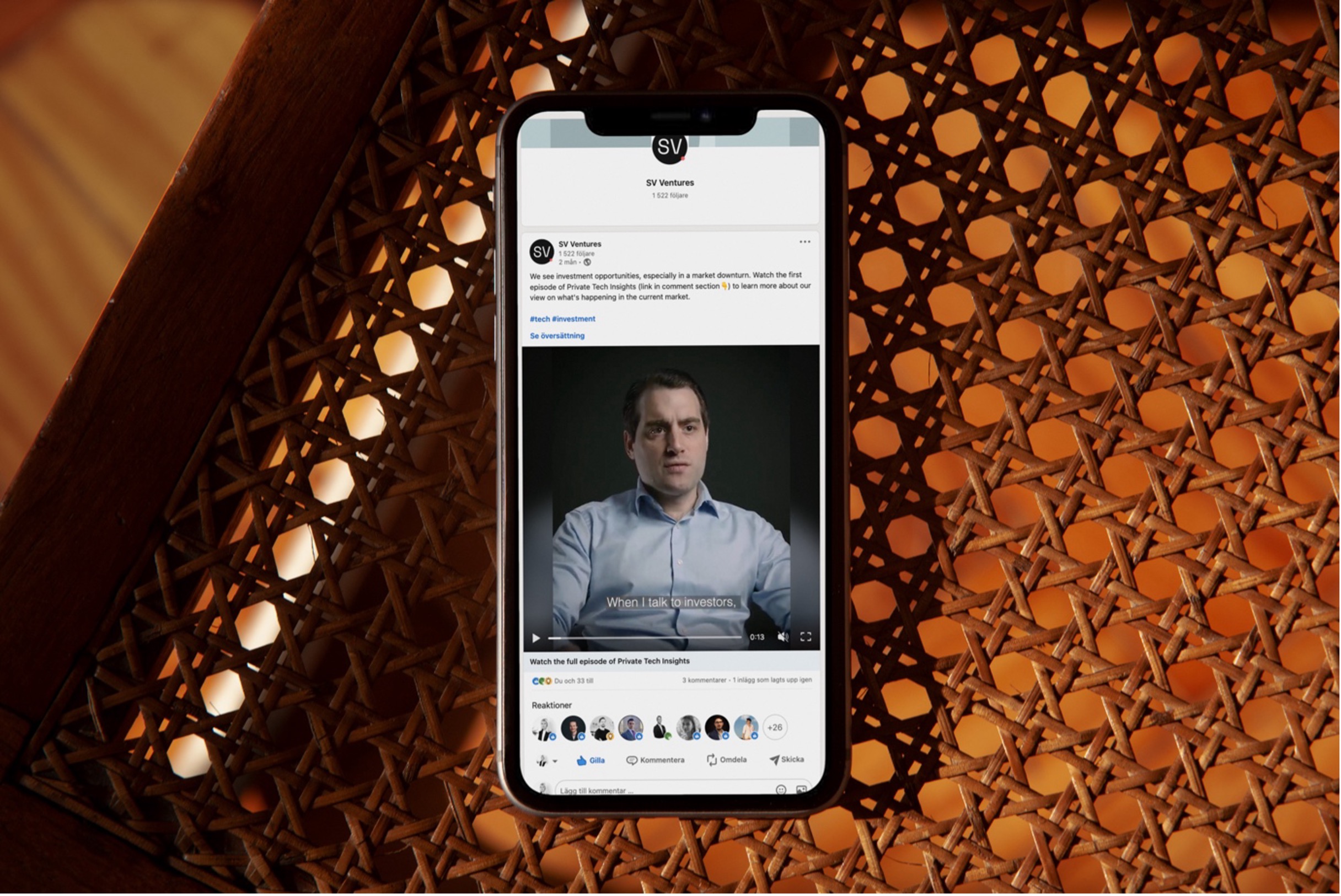
Good content that doesn't reach the right audience is effectively worthless. In 2026, distribution is not a final step but an integral part of the strategy. Owned channels, earned reach and paid distribution need to work together. It is in the combination that the impact comes.
How to start: Plan distribution at the same time as you plan content. Ask early on where it will live and how it will be amplified. In many cases a clearer prioritisation of paid reach is also needed to ensure impact. Otherwise even strong content risks staying in one channel without any real effect.
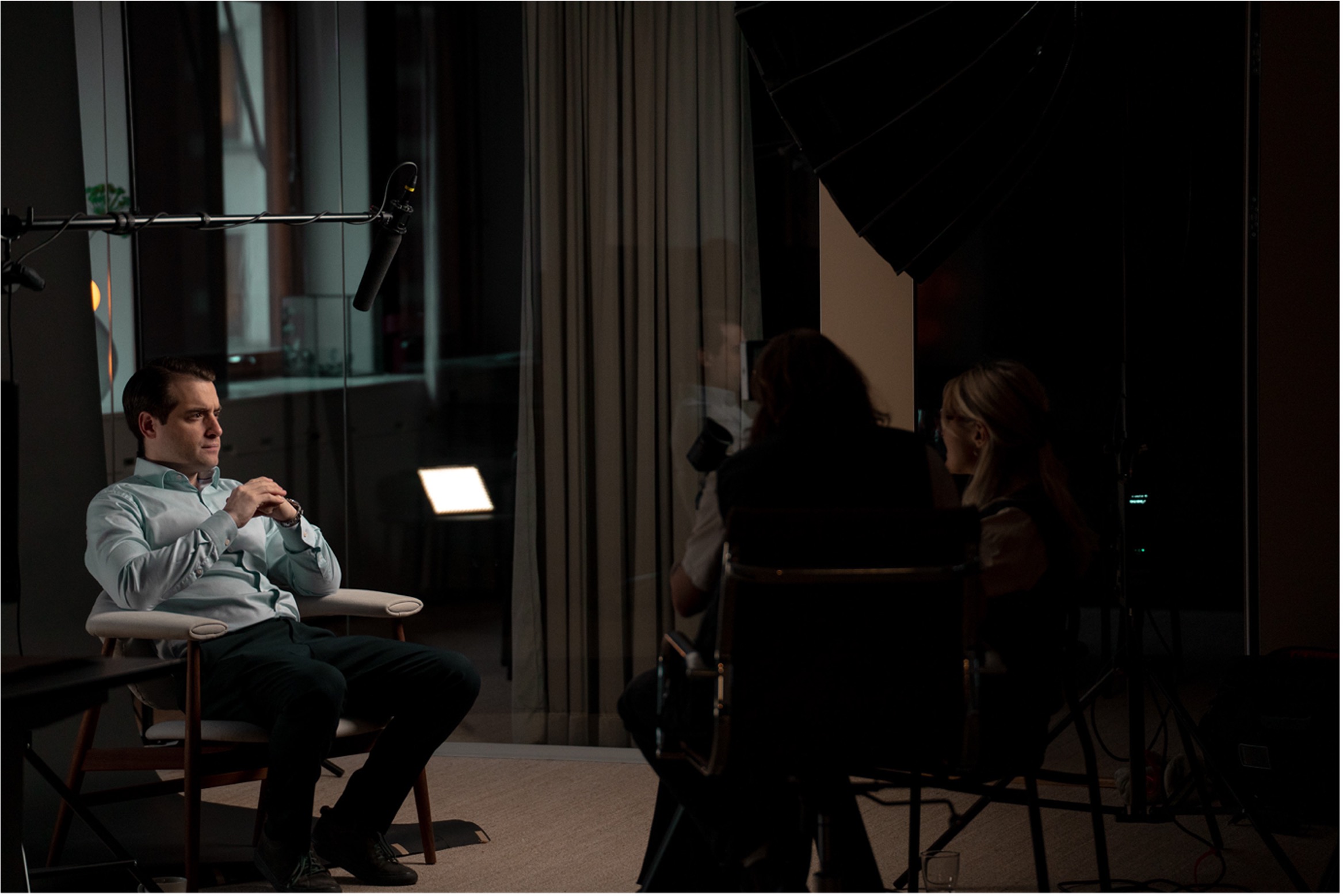
More and more people want to position themselves as experts. Fewer are prepared to do the work it takes.
Thought leadership in 2026 is less about format and more about substance. It isn't enough to publish articles, start a podcast or be active on LinkedIn. There needs to be a clear point of view, a well-developed perspective and a link to the organisation's actual experience.
How to start: Define which issues you are prepared to own over time – ideally concrete areas where you can take a clear position. Return to them consistently. Thought leadership is built through repetition and depth. It doesn't start with choosing a content format, but with deciding which issues you actually want to own.
Quick campaigns can create attention. But lasting influence is built over time. It is about structure: linking goals to the business and the brand, planning for the long term and following up without constantly changing direction.
When communication is driven for the long term, it becomes an integral part of the business, not a series of isolated initiatives.
How to start: A long-term strategy is as much about what you leave out as what you choose. Set boundaries for what falls outside your priority themes. Organisations that succeed keep a recurring focus, clear recognition and a consistent tone of voice. That creates clarity internally and strengthens their position externally.
Read more about communications strategy here.
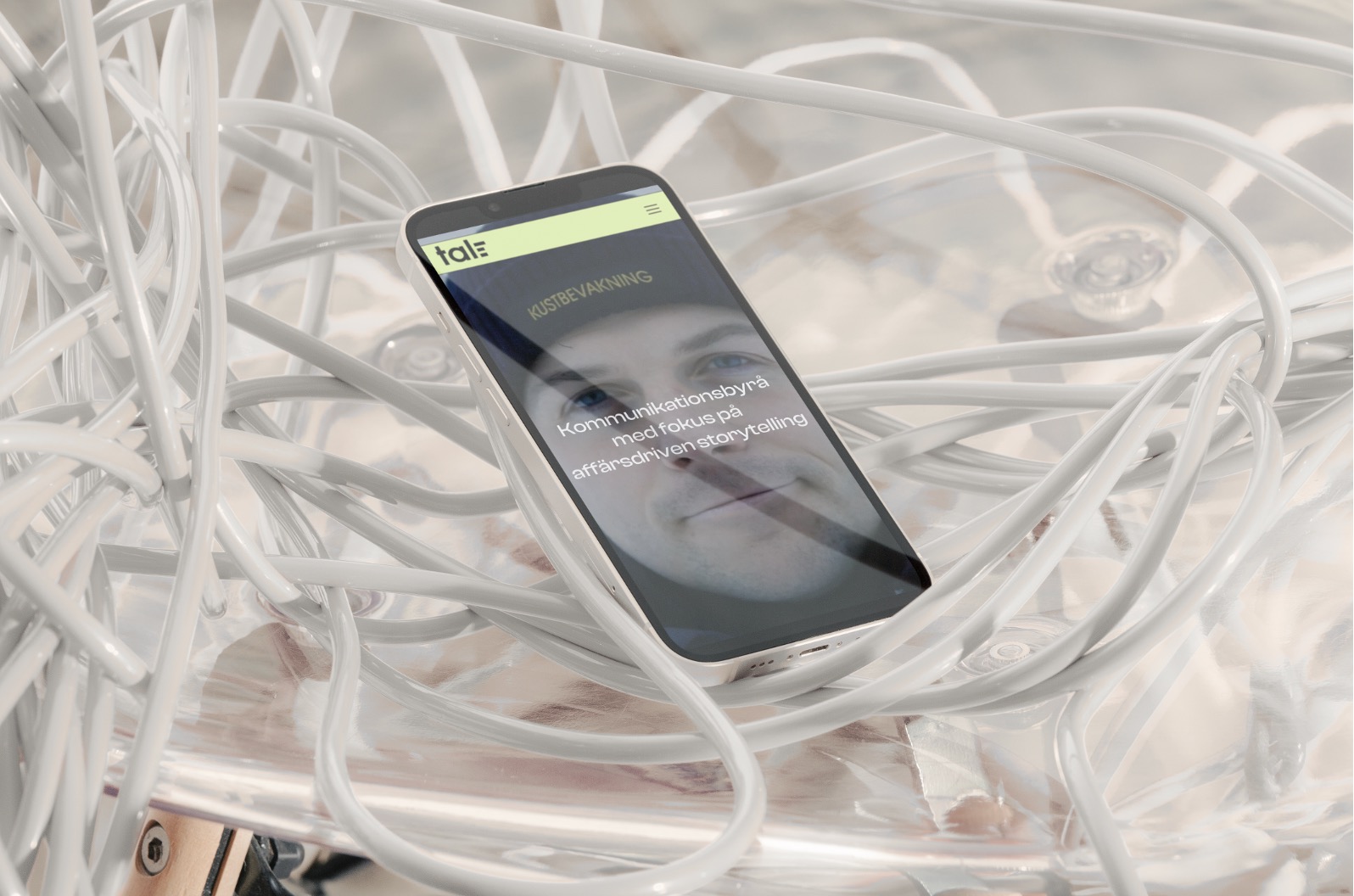
The line between content and experience is blurring. It isn't enough to produce relevant material if it is hard to take in. Structure, navigation and visual presentation affect credibility and conversion.
UX and UI are therefore not design issues alongside the content strategy, but part of it. How long someone stays, how the content is perceived and whether the next step is taken all depend on how it is designed.
How to start: Test the content on someone outside the project group. If the message, structure or navigation needs explaining, the experience isn't clear enough. Content that requires interpretation risks losing impact. Read more about how to design your website here.
Taken together, the trends point in a clear direction. In 2026, organisations that can prioritise, stand for something and work in a structured way over time will be rewarded. Technology makes it possible to do more. The challenge is choosing the right things.
The foundation is the same as always: relevant stories that reach the right people and stand up to scrutiny. The difference is that the demands on quality, consistency and impact are higher than before. That is where judgement becomes decisive.
We're ready to turn strategy into stories that deliver measurable results.
Contact me, Emelie Omnell, at emelie.omnell@talecontent.se
Tale är en content- och PR-byrå inom Diplomatgruppen. Vi hjälper företag och organisationer att utveckla sin kommunikation genom content, PR och storytelling.
Vi kommer oftast in när kommunikationen är komplex och det måste bli rätt, till exempel vid strategiska skiften, känsliga frågor eller när något riskerar att bli medialt.
Det gör att ni kan fatta beslut och kommunicera på ett sätt som håller internt och externt.
