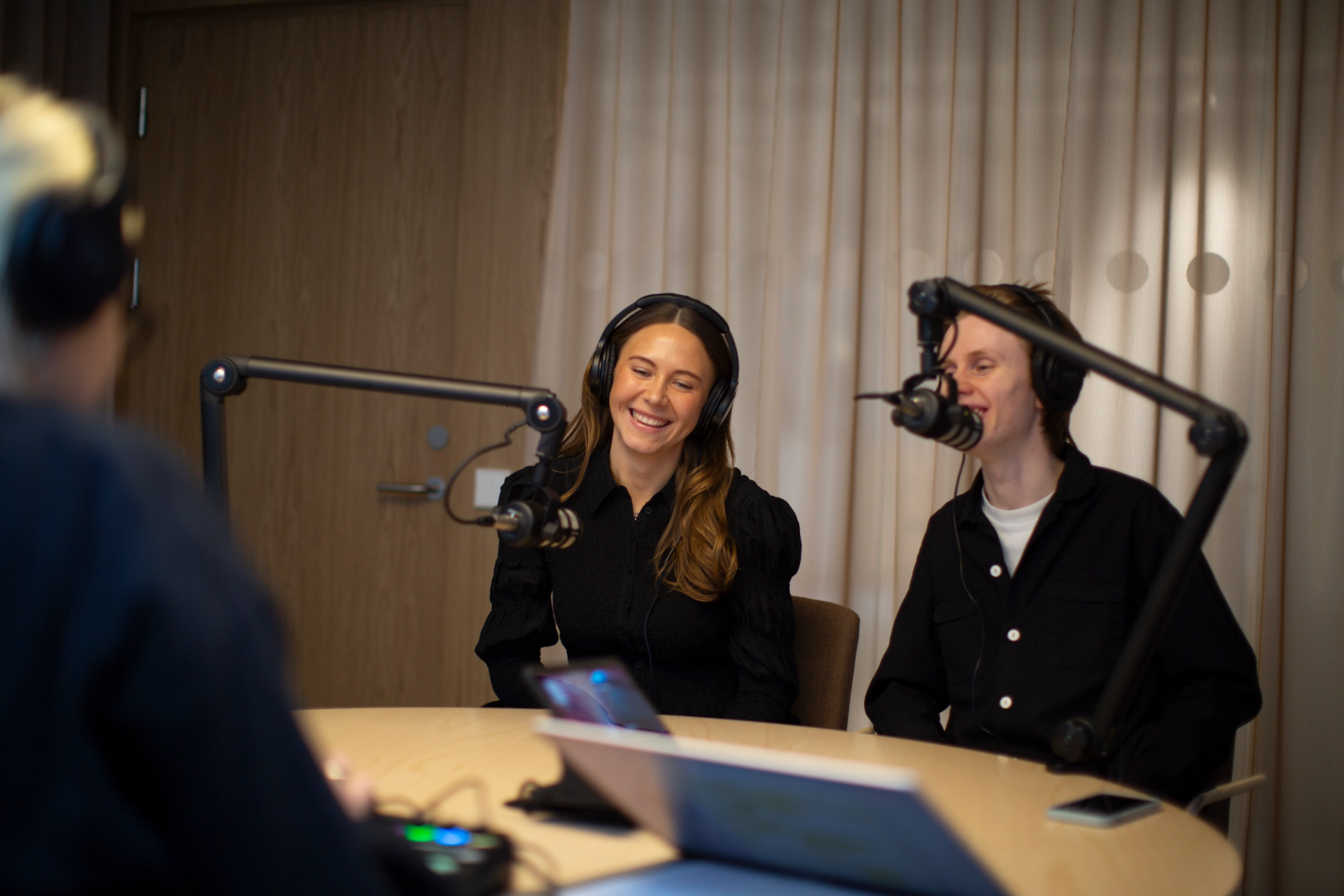
A podcast is one of the few formats that leaves room for depth. That makes it particularly valuable for companies and organisations that work with complex issues, want to reason in depth and build trust over time.
A podcast production with depth and perspective is also a good starting point for creating content for several channels over time.
A podcast can be more than a side project. With the right strategy it becomes a tool for strengthening the brand, building relationships and creating content that lives longer.
Podcasts suit companies that want to own questions over time and take a clearer advisory role in their industry. They provide room for reasoning that rarely fits into shorter content.
When a CEO, specialist or other key person leads the podcast, it can become a natural place for conversations with customers, partners and other relevant profiles. This builds relationships and trust.
Educate your audience by structuring the podcast like a school where each episode is a lesson. Give listeners the chance to learn something new on the way to work.
A podcast can give more than just one episode. The conversation can be reused as articles, video clips, social posts and newsletters.
A podcast is an effective and accessible way to reach the whole organisation. One example is the Taxi podcast for Taxi Stockholm, developed by Tale's Johan Bratt.
Every podcast project is different, but the working process usually looks like this:
We start with strategy. What do you want to achieve? Which questions do you want to drive? What role should the podcast play in your overall communication? We then develop a format that is clear, relevant and sustainable over time.
What should the podcast sound like? We define the approach, tone, themes, episode structure and guest strategy. It could be a thought leadership podcast, internal panel discussions, in-depth interviews or a filmed format adapted for more channels.
We help you with the entire production: from planning, hosting and interview technique to recording, editing and packaging. The technology should work seamlessly, but it is the content, structure and quality of the conversation that decide whether the podcast becomes truly good.
No podcast makes a difference if no one finds it. We therefore also plan how the content should be spread: via social media, articles, newsletters, paid advertising or through guests and networks that can give the episodes further reach.
An interview-based format where you invite customers, industry profiles or other relevant guests. A strong way to build expert positioning and create valuable conversations.
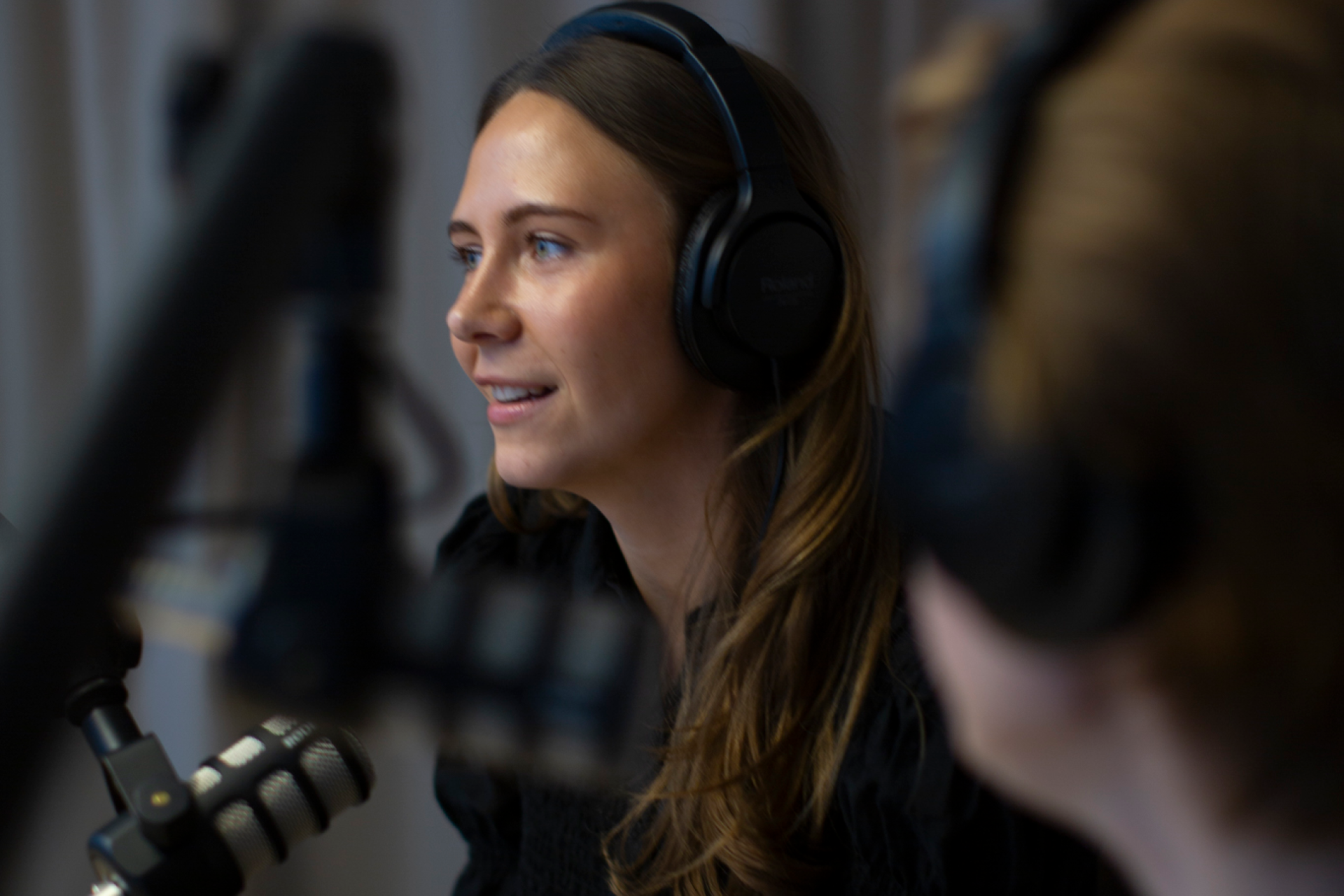
Suitable for companies that want to strengthen internal communication, raise expertise internally or explore specific issues together with employees from different parts of the organisation.
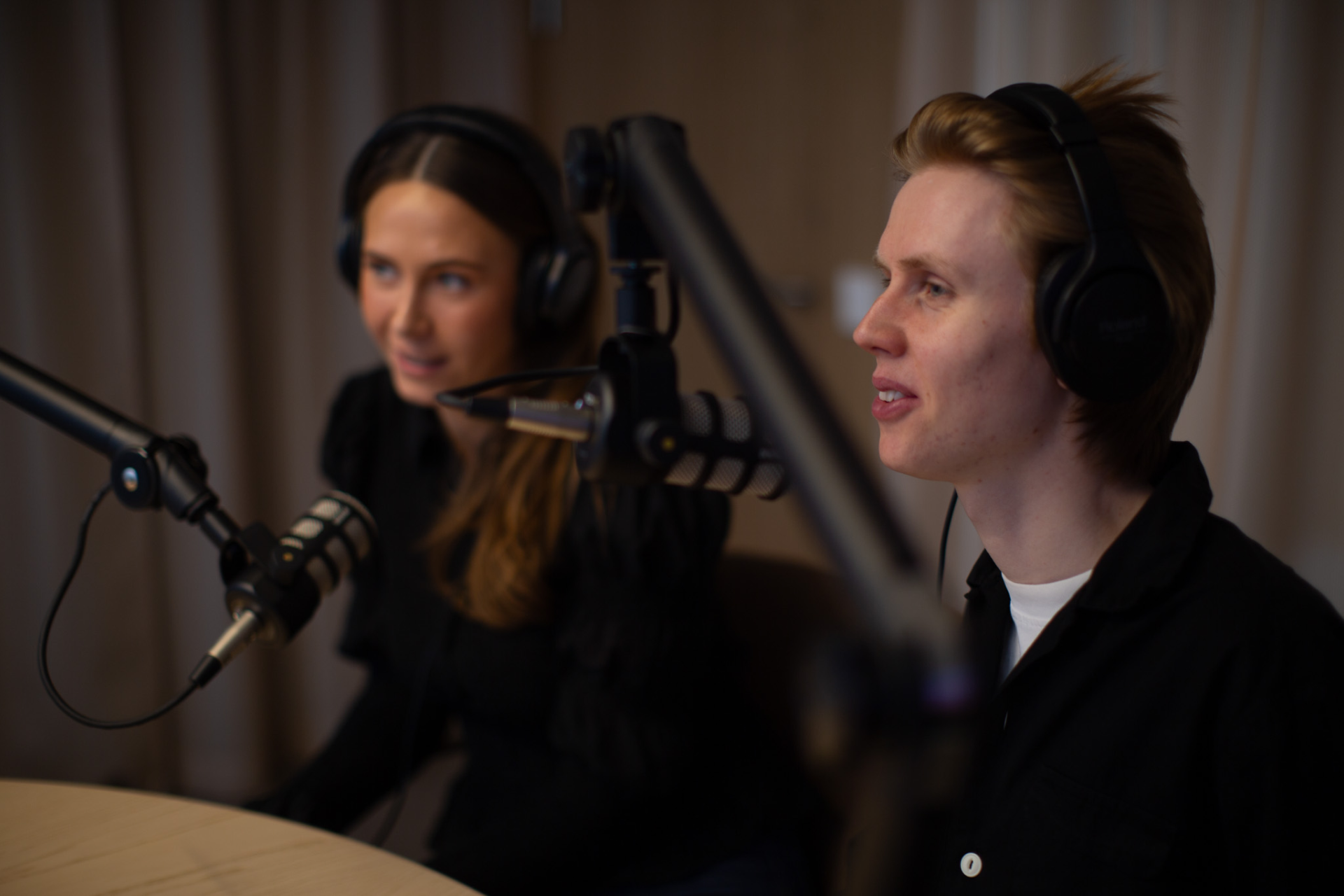
A recurring conversation between several voices from the organisation or industry. Suitable when you want to shed light on issues from different perspectives and build credibility over time.
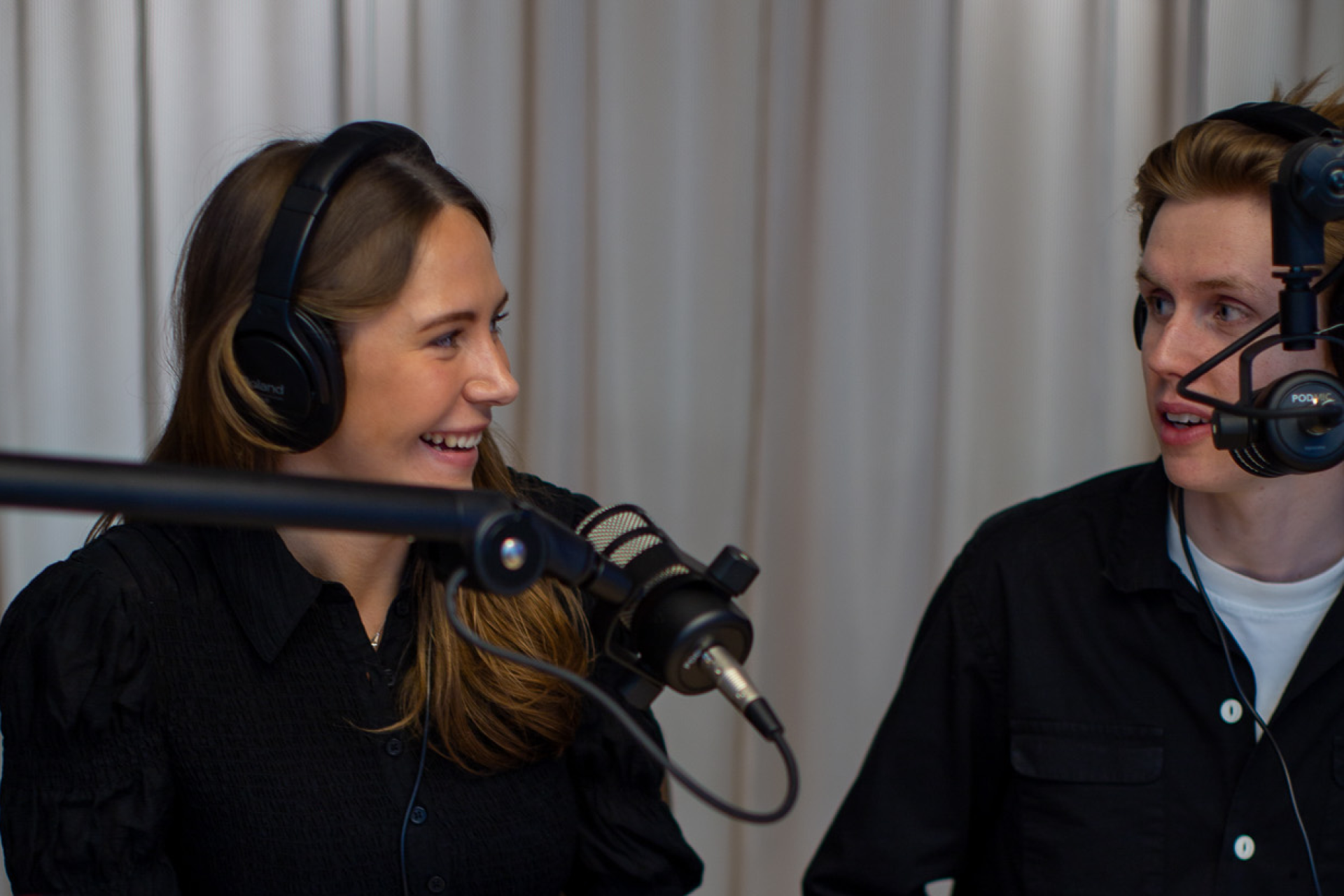
Each episode is anchored in a concrete assignment, example or real-world challenge. Works well when you want to show experience in practice.
An effective set-up for those who want to get more out of each recording. By filming all or part of the conversation, the podcast can also become shorter video clips for social media, YouTube or web.

It is no coincidence that P3 Dokumentär is Sweden's largest podcast. The format was created over ten years ago. Expect it to take a season or 5–10 episodes before the audience starts to arrive.
Once listeners have discovered and begun to appreciate a podcast, expectations arise. That is why it is important to be consistent in format, tone and content.
A podcast needs to be spread to find its audience. The content therefore needs to be packaged for digital channels and social media. Since many people scroll without sound, trailers and clips often need to be complemented with images, video and subtitles.
There are a few things that are especially important for companies to succeed with podcasts:
Preparation
Research, booking guests and questions for the guest
Recording equipment:
Studio hire or mobile recording technology
Post-production
Editing and mixing
Publishing and distribution
Publishing and distribution: The finished podcast file is uploaded to one of the platforms for podcasts. Social media and digital channels are used to drive listeners to your podcast.
Depending on how many elements are included, the cost per episode typically ranges between
SEK 9,000 – 45,000

